Planning Your Visit to Thien Mu Pagoda
A visit to Thien Mu Pagoda is one of the highlights of any trip to Hue. While the temple itself can be explored in about an hour, many travelers choose to spend longer enjoying the peaceful gardens, riverside views, and historical exhibits.
Unlike some of Hue’s larger attractions, Thien Mu Pagoda is compact and easy to navigate. However, arriving at the right time of day and planning your transportation in advance can make your visit much more enjoyable.
Thien Mu Pagoda Opening Hours
Thien Mu Pagoda welcomes visitors every day throughout the year.
| Information | Details |
|---|---|
| Opening Hours | Approximately 8:00 AM – 6:00 PM |
| Days Open | Monday – Sunday |
| Religious Activities | Daily |
As an active Buddhist temple, monks begin their daily routines much earlier than the official visitor hours. If you arrive early in the morning, you may hear chanting and the gentle sound of temple bells, creating a peaceful and memorable atmosphere.
Visitors are welcome throughout the day, but should always behave respectfully, especially during prayer sessions and religious ceremonies.
Thien Mu Pagoda Entrance Fee
One of the best things about visiting Thien Mu Pagoda is that admission is completely free.
| Ticket | Price |
|---|---|
| Entrance | Free |
| Parking | Small local fee (if applicable) |
| Donations | Optional |
Although there is no entrance fee, donations are appreciated to help maintain the temple and support its religious activities.
Visitors should avoid feeling obligated to donate—contributions are entirely voluntary.
Best Time to Visit Thien Mu Pagoda
Hue has a tropical climate with distinct dry and rainy seasons. Choosing the right time can make your visit more comfortable and rewarding.
January to April – Ideal Weather
This is widely considered the best season to visit.
Advantages include:
- Pleasant temperatures
- Lower humidity
- Comfortable walking conditions
- Blue skies
- Beautiful gardens in bloom
These months are also excellent for photography.
May to August – Sunny but Hot
Summer brings clear skies and vibrant scenery, but temperatures often exceed 35°C (95°F).
If visiting during this period:
- Arrive before 9:00 AM.
- Bring plenty of water.
- Wear a hat and sunscreen.
- Take breaks in shaded areas.
September to December – Rainy Season
Hue is known for its dramatic rainy season.
While occasional heavy showers may affect travel plans, the misty weather creates a serene atmosphere that many photographers appreciate.
The ancient pagoda emerging through light rain and morning fog offers a unique perspective rarely seen during the dry season.
Best Time of Day to Visit
Early Morning (7:30–9:00 AM)
This is arguably the most peaceful time to visit.
Benefits include:
- Cooler temperatures
- Fewer visitors
- Soft natural lighting
- Calm atmosphere
- Opportunity to hear temple bells
Late Afternoon (4:00–6:00 PM)
Another excellent option.
The warm sunlight illuminates the iconic Phuoc Duyen Tower, while the Perfume River often reflects beautiful golden colors before sunset.
Many locals also visit during this time for quiet walks and evening prayers.
How to Get to Thien Mu Pagoda
Located about 5 kilometers west of Hue City Center, Thien Mu Pagoda is easy to reach using several transportation options.
From Hue City Center
Travel time:
- Private car: 10–15 minutes
- Taxi: 10–15 minutes
- Bicycle: 20–30 minutes
- Motorbike: 10 minutes
The route follows the scenic banks of the Perfume River, making the journey itself an enjoyable part of the experience.
From Phu Bai International Airport
Distance:
Approximately 18 km
Travel time:
30–40 minutes
Transportation options include:
- Taxi
- Private transfer
- Ride-hailing services
Many visitors stop at the pagoda either on the way to or from the airport as part of a customized sightseeing itinerary.
From Da Nang or Hoi An
Travelers staying in Da Nang or Hoi An often visit Hue on a day trip.
Approximate travel times:
- Private car: 2.5–3 hours
- Train: Around 3 hours
- Tourist bus: 3–4 hours
The drive over the famous Hai Van Pass is one of Vietnam’s most scenic coastal routes.
Transportation Options
Private Car
A private car is the most convenient choice, especially if you plan to combine several attractions in one day.
Many visitors include:
- Thien Mu Pagoda
- Imperial City
- Minh Mang Tomb
- Khai Dinh Tomb
- Incense Village
within a single itinerary.
Dragon Boat on the Perfume River
One of the most memorable ways to reach Thien Mu Pagoda is by dragon boat.
Traditional dragon boats depart from central Hue and cruise slowly along the Perfume River before arriving at the pagoda’s riverside landing.
This journey offers beautiful views of:
- Riverside villages
- Fishing boats
- Ancient gardens
- Historic temples
For visitors seeking a more authentic experience, Samtour’s Hue Dragon Boat on Perfume River & Hon Chen Temple Private Tour combines a relaxing boat cruise with visits to important spiritual landmarks.
Bicycle
Cycling is a popular option for active travelers.
The relatively flat roads and riverside scenery make this an enjoyable route, particularly during the cooler months.
Motorbike
Motorbike rentals are affordable and offer flexibility.
Visitors should wear helmets and drive carefully, especially during rainy weather.
Taxi or Grab
Taxi and ride-hailing services are widely available throughout Hue.
This is an excellent option for travelers who prefer simple, direct transportation.
Suggested Visit Duration
How much time should you spend at Thien Mu Pagoda?
Quick Visit – 45 Minutes
Suitable if you are short on time.
You’ll be able to see:
- Phuoc Duyen Tower
- Main courtyard
- Dai Hung Shrine
- Gardens
Standard Visit – 1.5 Hours
Recommended for most travelers.
This allows time to:
- Explore all major structures
- Visit the Austin car exhibit
- Enjoy the gardens
- Take photographs
- Relax by the Perfume River
Extended Visit – 2 Hours
Ideal for:
- Photographers
- History enthusiasts
- Visitors interested in Buddhist culture
You’ll have enough time to appreciate the peaceful atmosphere without rushing.
What to See at Thien Mu Pagoda
Although the complex is not as large as Hue Imperial City, every corner tells a story.
Phuoc Duyen Tower
The seven-story tower is the defining symbol of Hue.
Its elegant octagonal design has appeared in countless travel magazines and postcards.
Take time to walk around the tower from different angles to appreciate its symmetry.
Dai Hung Shrine
The main worship hall contains impressive Buddha statues and beautifully decorated altars.
Visitors should:
- Speak quietly.
- Remove hats when entering.
- Avoid pointing cameras directly at worshippers.
The Austin Car Exhibit
One of the most historically significant displays at the pagoda is the preserved Austin automobile associated with the monk Thich Quang Duc.
Information panels explain its connection to Vietnam’s modern history, offering visitors a deeper understanding of the temple’s cultural importance.
The Giant Bell
This enormous bronze bell is admired not only for its size but also for its craftsmanship.
Many visitors pause here to admire the detailed inscriptions and decorative patterns.
Temple Gardens
The shaded gardens provide a peaceful escape from the summer heat.
Highlights include:
- Ancient bonsai trees
- Fragrant flowers
- Stone pathways
- Traditional architecture
- Quiet meditation areas
Riverside Viewpoint
At the front of the pagoda, visitors can enjoy panoramic views of the Perfume River.
This is one of the best places to appreciate the harmonious relationship between Hue’s natural landscape and its spiritual heritage.
Photography Tips
Thien Mu Pagoda is one of the most photogenic places in Hue.
To capture the best images:
- Visit early in the morning for soft light.
- Use a wide-angle lens to include both the tower and surrounding gardens.
- Photograph the pagoda from across the Perfume River for a classic panoramic view.
- Capture reflections after light rain.
- Include dragon boats in riverside compositions.
- Respect worshippers by avoiding intrusive photography during ceremonies.
Hidden Photo Spots
Many visitors only photograph the famous tower.
However, several quieter locations offer equally beautiful compositions.
Garden Walkways
Stone paths lined with tropical plants create elegant leading lines.
Riverside Steps
The staircase connecting the pagoda to the river provides a beautiful perspective of both the temple and passing dragon boats.
Side Courtyards
These peaceful corners often remain empty even during busy tourist seasons.
Behind the Main Shrine
Traditional tiled roofs framed by ancient trees create timeless photographs.
Sunset from the Riverbank
Instead of photographing the pagoda from inside the complex, walk to the opposite riverbank for wide panoramic views during golden hour.
Family Travel Tips
Families visiting with children should consider:
- Arriving before the midday heat.
- Bringing drinking water.
- Wearing comfortable shoes.
- Explaining basic temple etiquette to children beforehand.
- Allowing time to enjoy the gardens rather than rushing through the site.
Children often enjoy watching dragon boats arrive at the riverside landing.
Accessibility Information
Thien Mu Pagoda is partially accessible for visitors with limited mobility.
Accessible features include:
- Wide entrance paths
- Spacious courtyards
- Benches for resting
However, visitors should be aware that some areas include:
- Stone staircases
- Uneven paving
- Sloping pathways
Wheelchair users may require assistance to reach certain sections of the complex.
Nearby Attractions to Combine with Thien Mu Pagoda
One of the biggest advantages of visiting Thien Mu Pagoda is its convenient location. Situated just a few kilometers from Hue’s city center, the pagoda is surrounded by many of the city’s most famous cultural and historical landmarks. Whether you have a few hours or an entire day, it’s easy to combine several attractions into a memorable itinerary.
Most visitors spend a full day exploring Hue’s royal heritage, spiritual sites, and riverside scenery. The following attractions pair perfectly with Thien Mu Pagoda.
Hue Imperial City
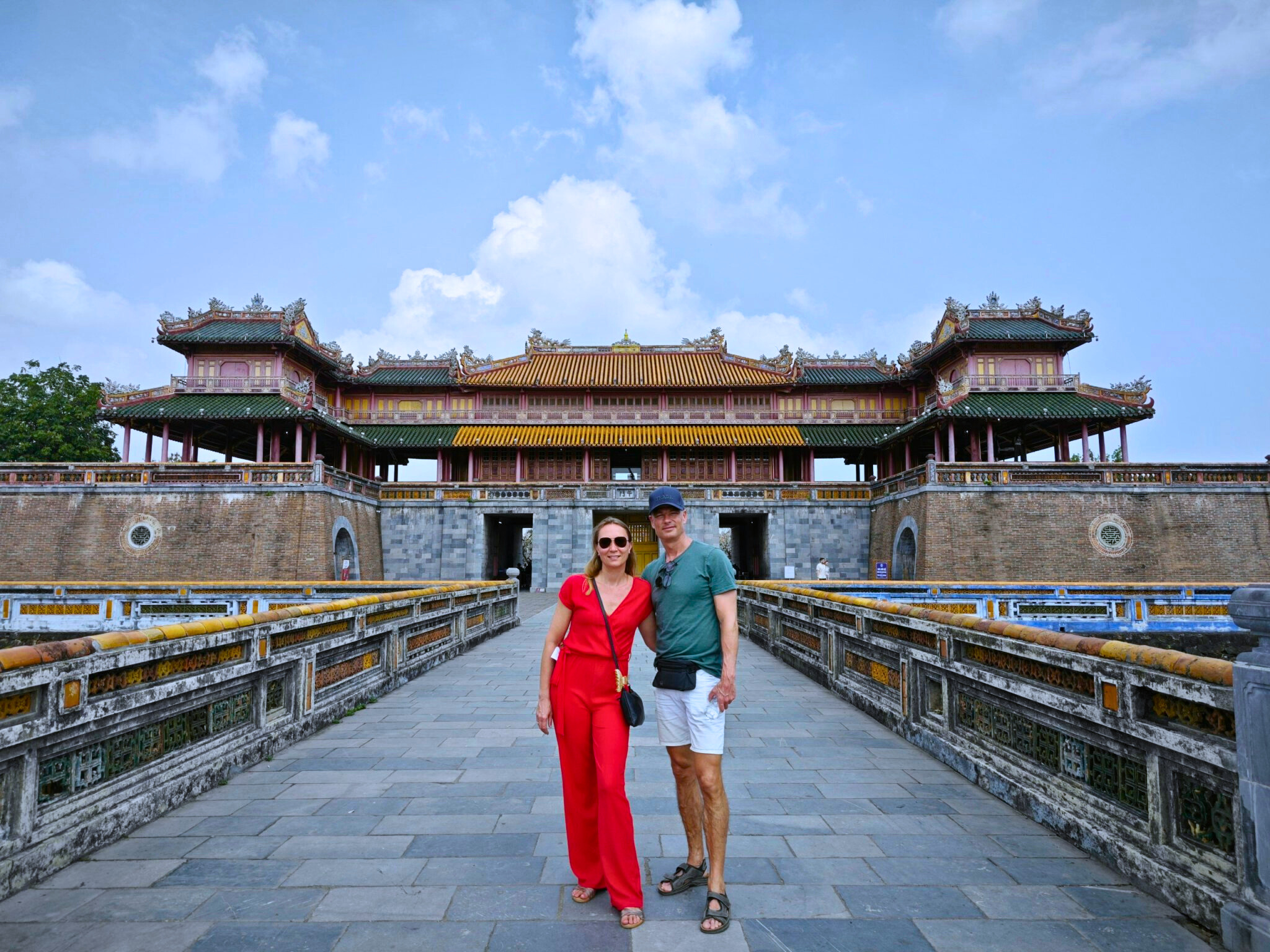
No trip to Hue is complete without visiting the Hue Imperial City, the political heart of the Nguyen Dynasty and one of Vietnam’s most significant UNESCO World Heritage Sites.
Built in the early nineteenth century, the Imperial City served as the residence of thirteen Nguyen emperors and remains the country’s best-preserved royal complex.
Visitors can explore:
- Ngo Mon Gate
- Thai Hoa Palace
- Forbidden Purple City
- The Mieu Temple
- Nine Dynastic Urns
- Royal Gardens
Many travelers choose to visit the Imperial City in the morning before heading to Thien Mu Pagoda in the afternoon.
Distance from Thien Mu Pagoda: Approximately 5 km
Recommended Visit Time: 3–4 hours
Hon Chen Temple
Located upstream along the Perfume River, Hon Chen Temple is one of Hue’s most fascinating spiritual destinations.
Unlike Thien Mu Pagoda, which is primarily Buddhist, Hon Chen Temple reflects a unique blend of Buddhism, Taoism, Confucianism, and Vietnamese folk beliefs.
The temple is especially well known for the annual Hon Chen Festival, where colorful dragon boats carry worshippers along the Perfume River in celebration of local spiritual traditions.
Its peaceful riverside setting and ornate architecture make it an excellent addition to your Hue itinerary.
Explore by Dragon Boat
One of the most authentic ways to visit both Thien Mu Pagoda and Hon Chen Temple is by traditional dragon boat.
Cruising along the Perfume River allows visitors to enjoy a slower pace while taking in scenic riverbanks, historic garden houses, fishing villages, and lush greenery.
For travelers looking for a comfortable and enriching experience, Samtour’s Hue Dragon Boat on Perfume River & Hon Chen Temple Private Tour combines river cruising with visits to Hue’s most significant spiritual landmarks.
Perfume River
Flowing gently through the heart of Hue, the Perfume River has shaped the city’s identity for centuries.
The river links many of Hue’s most famous attractions, including:
- Imperial City
- Thien Mu Pagoda
- Hon Chen Temple
- Riverside parks
- Traditional garden houses
During the late afternoon, dragon boats glide peacefully across the water while the setting sun casts a golden glow over the pagoda’s iconic tower.
Many visitors consider a sunset cruise on the Perfume River one of the most romantic experiences in Hue.
Hue Royal Tombs
If you have additional time, consider visiting the magnificent royal tombs built for the Nguyen emperors.
The three most popular are:
Minh Mang Tomb
Elegant, symmetrical, and surrounded by pine forests.
Ideal for visitors interested in classical Vietnamese architecture.
Khai Dinh Tomb
The most elaborate royal tomb in Hue, blending Vietnamese and European architectural styles.
Its colorful interior mosaics are unlike anything else in Vietnam.
Tu Duc Tomb
A peaceful retreat where Emperor Tu Duc spent much of his life writing poetry and enjoying nature.
Its lakes, pavilions, and gardens create a tranquil atmosphere.
Dong Ba Market
Located near the city center, Dong Ba Market offers an authentic glimpse into local daily life.
Popular items include:
- Hue sesame candy
- Conical hats
- Silk scarves
- Local spices
- Traditional handicrafts
- Fresh tropical fruit
It’s also one of the best places to sample authentic Hue street food.
Suggested One-Day Hue Itinerary
If you only have one day in Hue, the following itinerary allows you to experience both the city’s spiritual and royal heritage.
8:00 AM
Visit Hue Imperial City.
Spend around three hours exploring the royal palaces and ancient courtyards.
11:30 AM
Lunch at a traditional Hue restaurant.
Recommended dishes include:
- Bun Bo Hue
- Banh Khoai
- Nem Lui
- Banh Beo
1:30 PM
Travel to Thien Mu Pagoda.
Explore:
- Phuoc Duyen Tower
- Main Shrine
- Temple Gardens
- Austin Car Exhibit
3:30 PM
Optional visit to Hon Chen Temple.
5:30 PM
Enjoy a sunset cruise along the Perfume River.
Experience Hue Like a Local
Rather than arranging transportation separately, many travelers prefer a guided private tour that combines the city’s highlights into one seamless experience.
Samtour Hue City Private Tour with Local Guide includes comfortable transportation and the flexibility to customize your itinerary according to your interests.
Popular attractions include:
- Imperial City
- Thien Mu Pagoda
- Royal Tombs
- Incense Village
- Dong Ba Market
Traveling with a knowledgeable local guide also helps visitors better understand Hue’s royal history, Buddhist traditions, and local culture.
Internal Link
End Your Day with a Romantic Sunset
After visiting Thien Mu Pagoda, consider experiencing Hue from a completely different perspective.
As evening approaches, the Perfume River becomes quieter, the temperature cools, and the city lights begin reflecting on the water.
Samtour’s Hue Sunset Experience – Romantic Evening in Hue City is ideal for couples, photographers, and travelers looking to enjoy Hue’s peaceful atmosphere after a day of sightseeing.
The experience may include:
- Sunset viewpoints
- Local cafés
- Riverside walks
- Evening photography
- Authentic local cuisine
Best Restaurants Near Thien Mu Pagoda
After exploring the pagoda, you’ll find several excellent restaurants within a short drive.
Ancient Hue Garden Houses Restaurant
One of Hue’s most elegant dining venues.
The restaurant specializes in refined royal cuisine served in a beautifully restored traditional garden house.
Perfect for:
- Couples
- Families
- Special occasions
Hanh Restaurant
A local favorite serving many of Hue’s signature dishes.
Recommended menu items:
- Banh Khoai
- Nem Lui
- Banh Nam
- Banh Beo
Affordable prices and friendly service make it popular with both locals and tourists.
Madam Thu Restaurant
Known for authentic Vietnamese cuisine prepared using fresh local ingredients.
Excellent value for money.
Les Jardins de La Carambole
A charming French-Vietnamese restaurant offering a quieter dining experience in a historic colonial-style building.
Ideal for leisurely lunches.
Best Coffee Shops Near Thien Mu Pagoda
Hue has a thriving café culture, making it easy to relax after your visit.
The Time Coffee
A peaceful garden café with excellent Vietnamese coffee and refreshing fruit drinks.
Tan Café
Popular among international travelers for its welcoming atmosphere and helpful staff.
Nook Eatery
Offers quality coffee alongside healthy brunch options and Western-style breakfasts.
Highlands Coffee
Convenient if you’re returning to the city center.
Reliable coffee, air conditioning, and comfortable seating.
Local Expert Tips
Local guides often recommend a few simple strategies to help visitors enjoy Thien Mu Pagoda to the fullest.
Arrive Early
Most tour buses arrive after 9:30 AM.
Visiting earlier provides quieter surroundings and better lighting for photography.
Dress Respectfully
As an active Buddhist temple, visitors should wear modest clothing.
Avoid:
- Very short shorts
- Revealing tops
- Loud behavior
Covering shoulders and knees is appreciated when entering worship areas.
Take Time to Explore the Gardens
Many visitors photograph the tower and leave.
However, the gardens behind the main shrine offer some of the most peaceful and beautiful areas of the temple.
Respect Religious Activities
If monks or worshippers are praying:
- Speak quietly.
- Turn phones to silent mode.
- Avoid blocking pathways.
- Do not use flash photography.
Bring a Camera with Zoom
The intricate carvings, temple roofs, bronze bell, and river views all reward closer photography.
Common Mistakes Visitors Make
Avoid these common mistakes to enjoy a more rewarding visit.
Visiting Only for Five Minutes
Many travelers stop briefly to photograph the tower before leaving.
In reality, the pagoda complex contains numerous historical buildings and peaceful gardens worth exploring.
Ignoring the Historical Exhibits
The Austin car and historical displays provide valuable insight into Vietnam’s modern history.
Arriving During Peak Heat
Midday temperatures can become uncomfortable.
Morning and late afternoon remain the best visiting times.
Forgetting Temple Etiquette
Visitors should remember that this is an active place of worship—not simply a tourist attraction.
Respectful behavior helps preserve the peaceful atmosphere.
Missing the Riverside View
Before leaving, walk down toward the Perfume River for one of the most iconic views of Thien Mu Pagoda and the surrounding landscape.
Frequently Asked Questions About Thien Mu Pagoda
1. Is Thien Mu Pagoda worth visiting?
Absolutely. Thien Mu Pagoda is one of the most iconic landmarks in Hue and among the oldest Buddhist temples in Vietnam. Its combination of history, architecture, spirituality, and scenic riverside views makes it a must-visit destination for first-time and returning visitors alike.
2. Where is Thien Mu Pagoda located?
Thien Mu Pagoda is situated on Ha Khe Hill, overlooking the Perfume River, approximately 5 kilometers west of Hue City Center in central Vietnam.
3. Is there an entrance fee?
No. Admission to Thien Mu Pagoda is completely free.
Visitors may make voluntary donations to support the temple’s maintenance and religious activities, but there is no compulsory ticket.
4. What are the opening hours?
The pagoda is generally open every day from 8:00 AM to 6:00 PM. Since it is an active place of worship, monks begin their daily routines much earlier.
5. How long should I spend at Thien Mu Pagoda?
Most visitors spend 1–2 hours exploring the complex.
If you enjoy photography, history, or simply relaxing in peaceful surroundings, you may wish to stay longer.
6. What is the best time to visit?
The ideal months are January through April, when Hue enjoys pleasant temperatures and relatively dry weather.
For the best experience, visit early in the morning or late in the afternoon.
7. Can I visit independently?
Yes.
The pagoda is easy to explore on your own, with clear walking paths and informational signs.
However, joining a guided tour provides valuable insights into the temple’s history, Buddhist symbolism, and local legends.
8. What should I wear?
As Thien Mu Pagoda is an active religious site, visitors should dress modestly.
Recommended clothing includes:
- Shirts covering the shoulders
- Long pants or skirts below the knee
- Comfortable walking shoes
Avoid wearing overly revealing clothing inside worship areas.
9. Can I take photographs?
Yes.
Photography is permitted throughout most of the complex.
Visitors should avoid using flash during ceremonies and should not photograph monks or worshippers without permission.
10. Is Thien Mu Pagoda suitable for children?
Yes.
Families often enjoy visiting because the grounds are spacious, peaceful, and easy to walk around.
Children should be supervised and encouraged to behave respectfully inside the temple.
11. Is the pagoda wheelchair accessible?
The main courtyards are relatively accessible.
However, some sections include:
- Stone staircases
- Sloping paths
- Uneven paving
Visitors using wheelchairs may require assistance in certain areas.
12. What is the most famous landmark inside the pagoda?
The Phuoc Duyen Tower is the pagoda’s best-known landmark.
Built in 1844, the seven-story octagonal tower has become one of the defining symbols of Hue.
13. What is the significance of the Austin car?
The preserved blue Austin sedan displayed at the pagoda was used by the monk Thich Quang Duc before his historic journey to Saigon in 1963.
Today, it serves as a reminder of an important moment in Vietnam’s modern history.
14. Can I arrive by boat?
Yes.
Many visitors travel to Thien Mu Pagoda aboard a traditional dragon boat along the Perfume River.
This scenic journey is one of the most memorable ways to reach the temple.
15. What nearby attractions should I combine with Thien Mu Pagoda?
Popular nearby attractions include:
- Hue Imperial City
- Hon Chen Temple
- Minh Mang Tomb
- Khai Dinh Tomb
- Tu Duc Tomb
- Dong Ba Market
- Perfume River
These sites can easily be visited in one or two days.
16. Is Thien Mu Pagoda crowded?
The temple is busiest between 9:30 AM and 2:00 PM, especially during weekends and Vietnamese public holidays.
Visiting earlier or later in the day offers a quieter experience.
17. Can I fly a drone at Thien Mu Pagoda?
Drone use is subject to Vietnamese regulations and may require permission from local authorities. Visitors should always verify the latest rules before flying near heritage or religious sites.
18. What makes Thien Mu Pagoda different from other temples in Vietnam?
Unlike many Buddhist temples, Thien Mu Pagoda combines more than four centuries of history with an active monastic community, a legendary origin story, royal patronage from the Nguyen Lords and Nguyen emperors, and a stunning riverside location overlooking the Perfume River. Its iconic Phuoc Duyen Tower has become one of the most recognizable symbols of Hue.
Final Thoughts
Whether you come to admire the iconic Phuoc Duyen Tower, learn about Vietnam’s history, enjoy the peaceful gardens, or simply take in the tranquil views of the Perfume River, a visit to Thien Mu Pagoda offers an experience that is both meaningful and memorable.
To make the most of your journey, consider combining the pagoda with the Imperial City, the Nguyen royal tombs, or a scenic dragon boat cruise. Exploring these attractions together provides a deeper understanding of Hue’s unique blend of royal history, religious traditions, and natural beauty.