
Hai Van Pass Vietnam: Travel Guide, Best Time & Scenic Drive

Contents

Hai Van Pass Vietnam: The Ultimate Travel Guide from Hue to Da Nang

Few roads in Southeast Asia are as legendary as Hai Van Pass. Stretching between the vibrant city of Da Nang and the historic capital of Hue, this breathtaking mountain road winds through lush forests, dramatic cliffs, and panoramic coastal viewpoints that have captivated travelers for centuries.

Known as the “Ocean Cloud Pass,” Hai Van Pass rises nearly 500 meters above sea level and extends for approximately 21 kilometers along the eastern edge of the Truong Son Mountain Range. Every turn reveals a new perspective—towering mountains on one side, the sparkling East Sea on the other, and clouds drifting across the summit.

More than just a scenic road, Hai Van Pass is a destination rich in history, culture, and adventure. The restored Hai Van Gate, ancient military fortifications, spectacular viewpoints, and famous winding roads make it one of Vietnam’s most unforgettable travel experiences.

International attention grew even further after the pass was featured on the BBC television program Top Gear, where it was described as one of the world’s greatest coastal drives. Today, thousands of visitors travel the route by private car, motorbike, or guided tour to experience its breathtaking beauty firsthand.

Whether you’re traveling from Hue to Da Nang, Hoi An to Hue, or simply looking for one of Vietnam’s most iconic road trips, Hai Van Pass deserves a place at the top of your Central Vietnam itinerary.

Many travelers combine Hai Van Pass with Lang Co Bay, Lap An Lagoon, Marble Mountains, and Hue Imperial City for one unforgettable journey.

Explore the scenic route with Samtour Vietnam:

https://samtourvietnam.com.vn/hue-to-hoi-an-by-private-car/

Quick Facts About Hai Van Pass

Information Details
Vietnamese Name Đèo Hải Vân
Location Border of Hue City and Da Nang
Length Approximately 21 km
Highest Elevation Around 496 meters
Entrance Fee Free
Opening Hours Open 24 Hours
Famous For Scenic mountain road, Hai Van Gate, panoramic viewpoints
Best Time to Visit February – August
UNESCO Status Not UNESCO-listed
Recommended Visit Duration 2–4 Hours

Why Visit Hai Van Pass?

Hai Van Pass offers one of the most spectacular driving experiences in Southeast Asia.

Unlike modern highways that prioritize speed, this historic mountain road invites travelers to slow down and appreciate the breathtaking scenery around every corner.

Reasons to visit include:

  • One of Vietnam’s most scenic coastal roads.
  • Historic Hai Van Gate.
  • Incredible mountain and ocean panoramas.
  • World-famous Top Gear route.
  • Countless photography opportunities.
  • Rich military history.
  • Easy access from Hue, Da Nang, and Hoi An.
  • Perfect road trip destination.

Whether you’re driving, riding a motorbike, or joining a guided tour, the journey itself becomes the highlight of your trip.

History of Hai Van Pass

For centuries, Hai Van Pass served as one of Vietnam’s most strategically important mountain crossings.

Long before modern highways and tunnels were constructed, merchants, soldiers, imperial officials, and travelers crossed these mountains while moving between northern and central Vietnam.

Its steep terrain and commanding views made the pass both a natural barrier and an important military stronghold.

The name “Hai Van”, meaning “Sea of Clouds,” perfectly describes the mist that frequently blankets the summit while the coastline stretches far below.

Historically, Hai Van Pass also marked the boundary between the ancient kingdoms of Dai Viet and Champa, making it a place of significant political and cultural importance.

Although today’s Hai Van Tunnel carries most commercial traffic, the original mountain road has become one of Vietnam’s most celebrated scenic routes, preserving its historical character while welcoming visitors from around the world

Cultural Significance

Beyond its dramatic landscapes, Hai Van Pass holds a special place in Vietnamese history and culture.

For generations, it symbolized the gateway connecting different regions of the country.

Travelers crossing the mountains often experienced dramatic changes in:

  • Climate.
  • Geography.
  • Culture.
  • Cuisine.
  • Architecture.

This transition made Hai Van Pass one of Vietnam’s most memorable travel experiences long before tourism developed.

Today, the pass continues to represent the extraordinary beauty of Central Vietnam and frequently appears in travel documentaries, photography collections, and international guidebooks.

Hai Van Gate (Hai Van Quan)

Standing proudly at the summit of the pass is the historic Hai Van Gate, one of the region’s most important historical landmarks.

Constructed in 1826 during the reign of Emperor Minh Mang, the fortress served as a defensive checkpoint protecting the imperial capital of Hue.

Its strategic position allowed soldiers to monitor movement through the mountain pass while defending the kingdom from potential invasions.

Visitors today can explore:

  • Ancient stone gateways.
  • Historic defensive walls.
  • Mountain fortifications.
  • Watchtowers.
  • Panoramic viewpoints.

The restored complex offers not only fascinating history but also some of the finest views in Central Vietnam.

The Meaning Behind the Famous Inscription

Hai Van Gate features two famous inscriptions.

Facing Hue:

“Hải Vân Quan”

Facing Da Nang:

“Thiên Hạ Đệ Nhất Hùng Quan”

This phrase is often translated as:

“The Grandest Gateway Under Heaven.”

Even today, many visitors pause beneath the historic gate to admire both its architectural beauty and the breathtaking scenery that inspired this famous title.

Geography and Natural Landscape

Hai Van Pass forms part of the spectacular Truong Son Mountain Range, where dense tropical forests descend dramatically into the East Sea.

This extraordinary geography creates landscapes rarely found elsewhere in Vietnam.

Visitors experience:

  • Mountain cliffs.
  • Tropical rainforest.
  • Ocean panoramas.
  • Mist-covered peaks.
  • Curving mountain roads.
  • Coastal viewpoints.
  • Seasonal waterfalls.

On clear days, visibility extends for dozens of kilometers across Da Nang Bay, Lang Co Bay, and the surrounding mountains.

Why Hai Van Pass Is World Famous

Few roads have earned an international reputation like Hai Van Pass.

Its global popularity increased dramatically after appearing on the BBC’s Top Gear, where it was described as one of the finest coastal roads in the world.

Today, travelers visit Hai Van Pass to experience:

  • One of Asia’s greatest scenic drives.
  • Historic Nguyen Dynasty architecture.
  • Breathtaking viewpoints.
  • Adventure motorbike routes.
  • World-class landscape photography.
  • Rich military history.

The combination of natural beauty, cultural heritage, and unforgettable driving makes Hai Van Pass one of Vietnam’s greatest travel experiences.

Panoramic Viewpoints Along Hai Van Pass

One of the greatest highlights of Hai Van Pass is its series of breathtaking viewpoints. Nearly every bend in the road reveals a different perspective of Central Vietnam’s dramatic coastline, making the journey itself just as memorable as the destination.

Unlike many mountain roads, Hai Van Pass offers uninterrupted views of both the sea and the surrounding mountains, creating one of the most spectacular scenic drives in Southeast Asia.

Hai Van Gate Viewpoint

The summit of Hai Van Pass is home to the famous Hai Van Gate, where visitors can enjoy one of the finest panoramic views in Vietnam.

From this historic location, you can see:

  • Da Nang Bay.
  • Lang Co Bay.
  • Bach Ma Mountains.
  • East Sea.
  • Winding mountain roads.
  • Dense tropical forests.

On clear days, visibility stretches for many kilometers in every direction.

Da Nang Bay Viewpoint

The southern side of Hai Van Pass overlooks the magnificent Da Nang Bay.

This viewpoint is especially popular because visitors can photograph:

  • Curving coastline.
  • Da Nang City skyline.
  • Deep blue ocean.
  • Passing trains.
  • Fishing boats.
  • Mountain cliffs.

The contrast between the mountains and the sea creates unforgettable scenery.

Lang Co Bay Viewpoint

Descending toward Hue, the landscape changes dramatically.

One of the most famous viewpoints overlooks Lang Co Bay, recognized as one of the World’s Most Beautiful Bays.

From here, visitors enjoy spectacular views of:

  • Lang Co Beach.
  • Lap An Lagoon.
  • Fishing villages.
  • White sand coastline.
  • Bach Ma Mountains.

Many photographers consider this the most beautiful viewpoint along the entire pass.

Hai Van Gate (Hai Van Quan)

Constructed in 1826 during the reign of Emperor Minh Mang, Hai Van Gate served as an important military fortress protecting the imperial capital of Hue.

The restored complex includes:

  • Ancient stone gate.
  • Defensive walls.
  • Guard towers.
  • Historic pathways.
  • Viewing platforms.

Today, visitors can walk through the gate while learning about its fascinating history and enjoying breathtaking mountain scenery.

The restoration has helped preserve one of Vietnam’s most important Nguyen Dynasty monuments while making it more accessible for travelers

Military Bunkers

Scattered around the summit are several historic military bunkers dating from different periods of Vietnamese history.

These concrete structures were strategically positioned to monitor movement through the mountain pass.

Visitors can explore:

  • Observation bunkers.
  • Defensive positions.
  • Historic tunnels.
  • Stone fortifications.

Although simple in appearance, these structures provide valuable insight into Hai Van Pass’s military importance throughout history.

French Colonial Remains

During the French colonial period, Hai Van Pass continued to play a strategic role.

Several surviving structures from this era can still be seen near the summit, reflecting the pass’s long military significance.

Combined with Nguyen Dynasty architecture and later military installations, Hai Van Pass represents an important chapter in Vietnam’s historical development.

The Famous Top Gear Route

Hai Van Pass achieved worldwide recognition after appearing in the BBC television series Top Gear.

Presenter Jeremy Clarkson famously described it as one of the greatest coastal roads in the world.

Since then, thousands of international travelers have chosen to experience the route themselves by:

  • Motorbike.
  • Private car.
  • Classic Jeep.
  • Guided tour.
  • Bicycle (for experienced cyclists).

For many visitors, driving Hai Van Pass has become a bucket-list experience in Vietnam.

Why Motorcyclists Love Hai Van Pass

Motorbike enthusiasts from around the world consider Hai Van Pass one of Asia’s finest riding roads.

Highlights include:

  • Smooth winding roads.
  • Spectacular ocean views.
  • Mountain scenery.
  • Frequent viewpoints.
  • Light traffic compared with major highways.

The route offers a balance of adventure and accessibility, making it suitable for both experienced riders and confident beginners.

Scenic Curves and Mountain Roads

Unlike modern expressways, Hai Van Pass follows the natural contours of the mountains.

Its winding curves provide constantly changing scenery, with every turn revealing new coastal panoramas.

The journey itself becomes part of the adventure rather than simply a means of reaching another destination.

Hidden Photography Spots

Beyond the well-known viewpoints, Hai Van Pass contains numerous hidden locations where photographers can capture unique perspectives.

Popular subjects include:

  • Curving mountain roads.
  • Passing trains.
  • Forest-covered slopes.
  • Ocean cliffs.
  • Morning mist.
  • Historic walls.
  • Tropical vegetation.

Exploring beyond the busiest stops often rewards visitors with quieter viewpoints and more original photographs.

Cloud Sea Phenomenon

Hai Van literally means “Sea of Clouds.”

During certain weather conditions, especially in the early morning, clouds drift across the summit while the coastline remains visible below.

Visitors may witness:

  • Mountains emerging through clouds.
  • Sunlight breaking across the sea.
  • Mist surrounding Hai Van Gate.
  • Dramatic atmospheric photography.

These constantly changing conditions ensure that every visit feels different.

Wildlife and Nature

Hai Van Pass is surrounded by lush tropical forest that supports a diverse range of wildlife.

Although many visitors focus on the scenery, the surrounding mountains are home to:

  • Native birds.
  • Butterflies.
  • Tropical plants.
  • Ancient trees.
  • Wild orchids.
  • Small forest mammals.

Nature lovers will appreciate that Hai Van Pass offers more than simply spectacular viewpoints.

Why Hai Van Pass Is More Than Just a Road

Many travelers initially expect Hai Van Pass to be simply a scenic drive.

Instead, they discover a destination offering:

  • Historic architecture.
  • Military history.
  • Mountain landscapes.
  • Coastal panoramas.
  • Rich biodiversity.
  • World-famous viewpoints.
  • Outstanding photography opportunities.

This unique combination of history, culture, and natural beauty is what makes Hai Van Pass one of Vietnam’s greatest travel experiences
Opening Hours

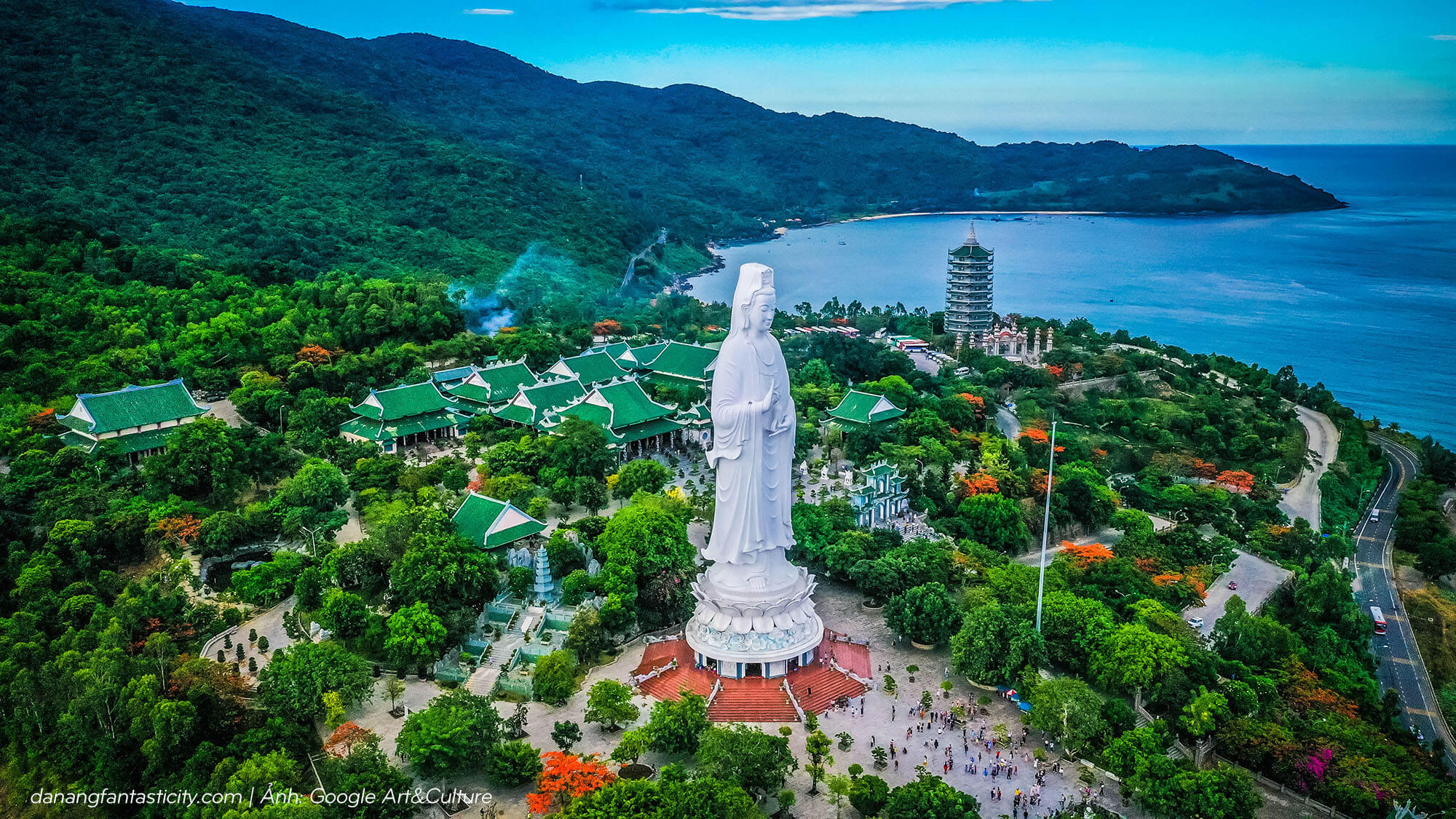
Hai Van Pass is open throughout the year and can be visited at any time since it is a public mountain road connecting Hue and Da Nang. There are no entrance gates or operating hours, allowing travelers complete flexibility when planning their journey.

However, daylight hours are strongly recommended for the safest driving conditions and the best panoramic views.

Information Details
Opening Hours Open 24 Hours
Entrance Fee Free
Best Visiting Time 7:00 AM – 5:30 PM
Recommended Visit Duration 2–4 Hours
Best Season February – August

Although sunrise and sunset offer spectacular scenery, heavy fog may occasionally reduce visibility during the early morning, especially in the rainy season

Entrance Fee

One of the advantages of visiting Hai Van Pass is that there is no entrance fee.

Service Price
Hai Van Pass Free
Hai Van Gate Free
Scenic Viewpoints Free
Photography Free
Parking Free or small local fee at some cafés

Visitors only need to budget for transportation, meals, drinks, or optional guided tours.

Best Time to Visit Hai Van Pass

Weather conditions greatly influence the experience.

February to August – Best Season

This is widely considered the ideal time to visit.

Advantages include:

  • Blue skies.
  • Excellent visibility.
  • Dry roads.
  • Beautiful coastal scenery.
  • Comfortable temperatures.
  • Perfect photography conditions.

March to May is particularly pleasant before the hottest summer months arrive.

September to January – Rainy Season

Hai Van Pass becomes dramatically different during the rainy season.

Visitors may experience:

  • Sea of clouds.
  • Misty mountain scenery.
  • Cooler temperatures.
  • Dramatic landscapes.

However, heavy rain and fog can reduce visibility, so drivers should proceed carefully.

Best Time of Day

Early Morning

Between 7:00 AM and 9:00 AM, the pass is usually quieter.

Visitors enjoy:

  • Cooler temperatures.
  • Fewer vehicles.
  • Soft morning light.
  • Clear mountain air.

This is an excellent time for photography.

Late Afternoon

Between 3:30 PM and 5:30 PM, warm golden light illuminates the coastline.

Perfect for:

  • Landscape photography.
  • Mountain panoramas.
  • Sunset views.
  • Relaxed sightseeing.

How to Get to Hai Van Pass

Hai Van Pass lies directly between Hue and Da Nang, making it easy to include in almost any Central Vietnam itinerary.

From Hue

Distance:

Approximately 80 km

Travel time:

Around 2–2.5 hours including sightseeing stops.

Many travelers stop at:

  • Lap An Lagoon.
  • Lang Co Beach.
  • Hai Van Pass.

From Da Nang

Distance:

Approximately 30 km

Travel time:

45–60 minutes.

The road climbs gradually toward the summit while offering increasingly spectacular coastal views

From Hoi An

Distance:

Approximately 55 km

Travel time:

Around 90 minutes.

Many visitors combine:

  • Marble Mountains.
  • Hai Van Pass.
  • Lang Co Beach.
  • Hue.

Transportation Options

Private Car (Recommended)

A private car offers the most comfortable and flexible way to explore Hai Van Pass.

Advantages include:

  • Hotel pickup.
  • Air-conditioned vehicle.
  • Flexible schedule.
  • Scenic photo stops.
  • Experienced local driver.

Most travelers combine Hai Van Pass with:

  • Lang Co Beach.
  • Lap An Lagoon.
  • Marble Mountains.
  • Hue Imperial City.

Explore Central Vietnam with Samtour Vietnam:

https://samtourvietnam.com.vn/hue-to-hoi-an-by-private-car/

Motorbike

Hai Van Pass is one of Vietnam’s most famous motorbike routes.

Benefits include:

  • Freedom to stop anywhere.
  • Incredible coastal scenery.
  • Memorable riding experience.

Always:

  • Wear a certified helmet.
  • Ride carefully on curves.
  • Avoid riding during heavy rain or dense fog.

Guided Tour

Many sightseeing tours include Hai Van Pass together with nearby attractions.

These tours are suitable for visitors who prefer not to drive themselves.

Taxi

Taxis are available from Hue and Da Nang, although they are generally less flexible than private car services.

Things to Do at Hai Van Pass

Hai Van Pass offers much more than simply driving across the mountains.

Visit Hai Van Gate

Explore the beautifully restored fortress built during the Nguyen Dynasty.

Highlights include:

  • Ancient gateway.
  • Historic walls.
  • Scenic viewpoints.
  • Cultural heritage.

Enjoy the Scenic Viewpoints

Stop at several panoramic viewpoints overlooking:

  • Da Nang Bay.
  • Lang Co Bay.
  • Bach Ma Mountains.
  • East Sea.
  • Curving mountain roads.

Every viewpoint offers a unique perspective.

Photograph the Famous Curves

Hai Van Pass has become one of Vietnam’s most photographed roads.

Capture:

  • Winding mountain roads.
  • Passing motorcycles.
  • Ocean panoramas.
  • Cloud-covered peaks.

Relax at Mountain Cafés

Several small cafés near the summit offer spectacular views.

Enjoy:

  • Vietnamese coffee.
  • Fresh coconut.
  • Local snacks.
  • Mountain scenery.

These cafés provide ideal places to rest before continuing your journey.

Explore Historic Military Structures

Near Hai Van Gate, visitors can still see:

  • Military bunkers.
  • Observation posts.
  • Defensive walls.
  • Historic fortifications.

These structures illustrate the strategic importance of Hai Van Pass throughout Vietnamese history

Watch the Passing Trains

One unique feature of Hai Van Pass is the historic railway running below the mountain road.

From several viewpoints, visitors can watch trains winding dramatically along the coastline, creating excellent photography opportunities.

Combine Nearby Attractions

Hai Van Pass is best experienced together with nearby destinations such as:

  • Lang Co Beach.
  • Lap An Lagoon.
  • Marble Mountains.
  • Hue Imperial City.
  • Da Nang City.

Together they create one of Vietnam’s most spectacular road trips.

Photography Guide

Hai Van Pass is widely considered one of the most photogenic destinations in Vietnam. Every kilometer offers a new perspective, from winding mountain roads and dramatic cliffs to panoramic ocean views and historic architecture.

Whether you’re using a DSLR, drone (where permitted), or smartphone, Hai Van Pass provides exceptional photography opportunities throughout the day.

Unlike many scenic roads, you don’t need to travel far between viewpoints—spectacular landscapes appear around nearly every bend.

Best Photography Locations

Hai Van Gate

The restored Hai Van Gate is the most iconic photography location on the pass.

Popular subjects include:

  • Ancient stone gate.
  • Historic fortress.
  • Mountain landscape.
  • Sea of Clouds.
  • Panoramic coastline.

The combination of history and scenery makes this one of Vietnam’s most recognizable landmarks.

Lang Co Bay Viewpoint

Descending toward Hue, visitors reach the famous viewpoint overlooking Lang Co Bay.

Here you can photograph:

  • White sandy beaches.
  • Turquoise sea.
  • Lap An Lagoon.
  • Fishing villages.
  • Bach Ma Mountains.

Many photographers consider this the signature view of Hai Van Pass.

Da Nang Bay Viewpoint

On the southern side of the pass, breathtaking views extend across Da Nang Bay.

Excellent photography subjects include:

  • Da Nang skyline.
  • Curving coastline.
  • Mountain cliffs.
  • East Sea.
  • Passing trains.
  • Fishing boats.

Morning light often creates exceptionally clear conditions

Winding Mountain Roads

The twisting road itself has become one of Vietnam’s most famous travel images.

Photographers frequently capture:

  • Curving asphalt roads.
  • Motorcyclists.
  • Forest-covered mountains.
  • Coastal cliffs.
  • Cloud-filled valleys.

These dramatic road scenes perfectly represent the spirit of adventure associated with Hai Van Pass.

Historic Military Bunkers

The old military bunkers provide fascinating foreground subjects against spectacular mountain scenery.

Photographers can combine:

  • Historic architecture.
  • Ocean views.
  • Tropical vegetation.
  • Cloud formations.

These unique compositions tell the story of Hai Van Pass’s military history.

Best Time for Photography

Sunrise (6:00 AM – 8:00 AM)

Early morning offers:

  • Soft golden light.
  • Cooler temperatures.
  • Fewer vehicles.
  • Calm atmosphere.
  • Clear coastal views.

This is one of the best times to photograph the mountains before midday haze develops

Golden Hour (4:00 PM – Sunset)

Late afternoon transforms the landscape.

Warm sunlight illuminates:

  • Hai Van Gate.
  • Mountain cliffs.
  • Ocean coastline.
  • Forests.
  • Curving roads.

Portrait photographers particularly appreciate the soft evening light.

Sea of Clouds

During certain weather conditions, especially after rain or on cool mornings, Hai Van Pass lives up to its name.

Visitors may witness:

  • Clouds flowing across the summit.
  • Mountains emerging through mist.
  • Sunlight breaking across the coastline.
  • Dramatic atmospheric scenery.

Patience is often rewarded with unforgettable photographs.

Nearby Attractions

Hai Van Pass sits at the heart of one of Central Vietnam’s most scenic travel routes.

Several major attractions are located nearby.

Lang Co Beach

Distance: Approximately 15 km

Relax on one of Vietnam’s most beautiful beaches.

Highlights include:

  • White sand.
  • Calm sea.
  • Fresh seafood.
  • Peaceful atmosphere.

Lap An Lagoon

Distance: Approximately 20 km

Lap An Lagoon offers:

  • Floating oyster farms.
  • Mirror reflections.
  • Seasonal sandbar.
  • Wooden pier.
  • Sunset photography.

Many travelers stop here for lunch after crossing Hai Van Pass.

Marble Mountains

Distance: Approximately 30 km

The Marble Mountains feature:

  • Ancient caves.
  • Buddhist temples.
  • Panoramic viewpoints.
  • Traditional stone carving village.

They are easily combined with Hai Van Pass when traveling toward Da Nang or Hoi An.

Bach Ma National Park

Distance: Approximately 45 km

Nature enthusiasts can continue to Bach Ma National Park.

Popular activities include:

  • Hiking.
  • Waterfall exploration.
  • Birdwatching.
  • Mountain viewpoints.

The park provides a refreshing contrast to the coastal scenery of Hai Van Pass

Hue Imperial City

Distance: Approximately 80 km

Travelers heading north often continue to Hue’s Imperial City, one of Vietnam’s most important historical attractions.

Together, Hue and Hai Van Pass offer an ideal combination of cultural heritage and spectacular natural landscapes.

Local Expert Tips

After guiding thousands of visitors across Hai Van Pass, our local team recommends:

Drive the Scenic Pass Instead of the Tunnel

The Hai Van Tunnel is faster, but you’ll miss one of Vietnam’s most spectacular landscapes.

If time allows, always choose the mountain road.


Check the Weather

Mountain weather changes quickly.

Before departure:

  • Check visibility.
  • Avoid heavy rain.
  • Prepare for cooler temperatures near the summit.

Allow Plenty of Time

Many visitors underestimate how often they’ll want to stop for photographs.

Plan at least 2–4 hours rather than rushing through.


Wear Comfortable Shoes

You’ll likely walk around:

  • Hai Van Gate.
  • Historic bunkers.
  • Scenic viewpoints.
  • Mountain cafés.

Comfortable footwear makes exploring much more enjoyable.


Respect Historic Sites

Hai Van Gate and nearby military structures are important cultural heritage sites.

Please:

  • Do not climb on restricted areas.
  • Avoid littering.
  • Respect restoration work.
  • Help preserve the monument for future generations.

Frequently Asked Questions

Is Hai Van Pass worth visiting?

Absolutely.

Hai Van Pass is widely regarded as one of Vietnam’s most spectacular scenic roads, offering breathtaking coastal views, historic landmarks, and unforgettable driving experiences.


Is there an entrance fee?

No.

Hai Van Pass and Hai Van Gate can be visited free of charge.


Can I drive a car across Hai Van Pass?

Yes.

Private cars, taxis, and motorbikes are all permitted to use the mountain road.

Many travelers choose a private car so they can stop at scenic viewpoints safely.


Is Hai Van Pass safe?

Yes, provided you drive carefully and adjust your speed to weather conditions.

Avoid speeding, particularly during rain or fog.


How long should I spend at Hai Van Pass?

Most visitors spend 2–4 hours, depending on the number of sightseeing stops and nearby attractions included in their itinerary.


Can Hai Van Pass be combined with other attractions?

Yes.

The most popular route includes:

  • Marble Mountains.
  • Hai Van Pass.
  • Lang Co Beach.
  • Lap An Lagoon.
  • Hue Imperial City.

This is considered one of the most scenic day trips in Central Vietnam.


Why Explore Hai Van Pass with Samtour Vietnam?

At Samtour Vietnam, we transform a simple transfer between Hue and Da Nang into an unforgettable sightseeing experience.

Our private car service includes flexible stops at Hai Van Pass, Lang Co Beach, Lap An Lagoon, and Marble Mountains, allowing you to enjoy every highlight without feeling rushed.

With experienced local drivers, comfortable vehicles, and personalized itineraries, you’ll discover the best viewpoints, hidden photo spots, and authentic local experiences along Vietnam’s most famous coastal road

Hai Van Pass is much more than a mountain road—it is one of Vietnam’s greatest travel experiences. Combining dramatic landscapes, centuries of history, panoramic viewpoints, and an unforgettable driving route, it offers something for every traveler.

Whether you’re standing beneath the historic Hai Van Gate, watching clouds drift across the mountains, photographing Lang Co Bay from above, or enjoying fresh seafood after the journey, every stop along the pass creates lasting memories.

If you’re traveling between Hue, Da Nang, and Hoi An, choose the scenic Hai Van Pass instead of the tunnel. The journey itself will become one of the highlights of your trip through Central Vietnam.

Related Posts

Leave a Reply

Your email address will not be published. Required fields are marked *