Son Tra Peninsula: The Ultimate Visitor Guide to Da Nang’s Green Paradise (2026)
Rising between the turquoise waters of the East Sea and the vibrant city of Da Nang, Son Tra Peninsula is one of Central Vietnam’s most spectacular natural attractions. Often referred to as the “Green Lung of Da Nang,” this protected peninsula combines lush tropical rainforest, dramatic coastal roads, sacred temples, hidden beaches, panoramic viewpoints, and remarkable biodiversity within a single destination.
Located just 10 kilometers from Da Nang’s city center, Son Tra Peninsula offers a refreshing escape from the city’s busy streets. In less than thirty minutes, visitors can trade urban skylines for winding mountain roads, ancient forests, and breathtaking ocean views stretching toward the horizon.
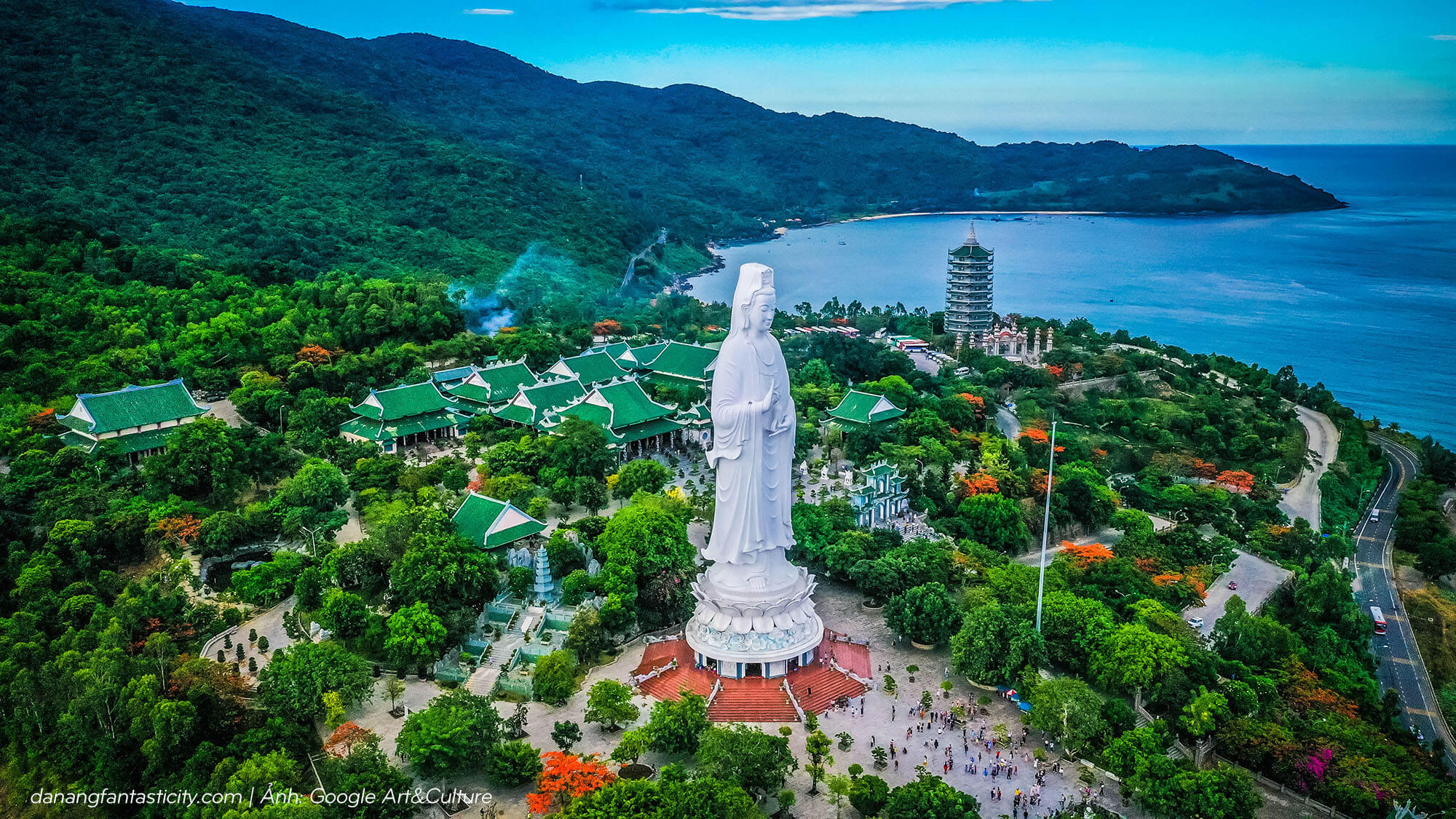
Unlike many nature reserves that require long journeys, Son Tra Peninsula is easily accessible while remaining rich in wildlife and natural beauty. It is home to the iconic Linh Ung Pagoda, the towering Lady Buddha Statue, pristine beaches, scenic lookouts, and one of the world’s most important habitats for the endangered Red-shanked Douc Langur.
Whether you’re seeking spiritual landmarks, unforgettable photography, outdoor adventure, or simply a peaceful drive through one of Vietnam’s most beautiful landscapes, Son Tra Peninsula deserves a place on every Da Nang itinerary.
Many travelers combine Son Tra Peninsula with Marble Mountains, Dragon Bridge, My Khe Beach, and Hoi An Ancient Town for a complete Central Vietnam experience.
Explore Da Nang with Samtour Vietnam:
https://samtourvietnam.com.vn/da-nang-city-tour/
Quick Facts About Son Tra Peninsula
| Information | Details |
|---|---|
| Vietnamese Name | Bán đảo Sơn Trà |
| Location | Son Tra District, Da Nang |
| Distance from Da Nang City Centre | About 10 km |
| Total Area | Over 4,400 hectares |
| Highest Point | Approximately 693 meters |
| Entrance Fee | Free |
| Opening Hours | Open 24 Hours |
| Famous For | Lady Buddha, Linh Ung Pagoda, Beaches & Wildlife |
| Best Time to Visit | February – August |
| Recommended Visit Duration | Half Day to Full Day |
Why Visit Son Tra Peninsula?
Few destinations in Vietnam offer such an extraordinary combination of mountains, forests, beaches, temples, and wildlife within such a short distance of a major city.
Visitors come to Son Tra Peninsula to experience:
- Vietnam’s tallest Lady Buddha Statue.
- One of Da Nang’s most important Buddhist temples.
- Spectacular coastal roads.
- Panoramic mountain viewpoints.
- Quiet white-sand beaches.
- Rare wildlife found nowhere else.
- Fresh seafood overlooking the ocean.
- Beautiful sunrise and sunset photography.
Whether you’re traveling independently, with family, or on a guided tour, Son Tra Peninsula provides an unforgettable experience that blends nature, culture, and relaxation.
History of Son Tra Peninsula
For centuries, Son Tra Peninsula has played a significant role in protecting and shaping the development of Da Nang.
Its strategic location overlooking Da Nang Bay made it an important natural defensive position. Local fishermen relied on its sheltered coastline, while nearby communities regarded the mountains as sacred landscapes closely connected with Buddhism and traditional beliefs.
During the French colonial period, roads and observation points were established across the peninsula to monitor maritime activity.
Later, during the Vietnam War, several military installations were built on the mountain because of its commanding position overlooking the coastline. Although some remnants still exist today, much of the peninsula has since been restored and protected as an important nature reserve.
Today, Son Tra Peninsula represents a successful balance between conservation and sustainable tourism, welcoming visitors while preserving one of Vietnam’s richest ecosystems.
Cultural Significance
Son Tra Peninsula is more than simply a scenic destination.
For the people of Da Nang, it symbolizes harmony between nature, spirituality, and community life.
At the heart of the peninsula stands Linh Ung Pagoda, where thousands of local residents visit throughout the year to pray for health, peace, prosperity, and safe journeys at sea.
The magnificent Lady Buddha Statue, facing the East Sea, is believed to protect fishermen and watch over Da Nang, becoming one of the city’s most recognizable symbols.
Beyond its religious importance, Son Tra Peninsula demonstrates Da Nang’s commitment to protecting natural heritage while developing responsible tourism for future generations.
Geography and Natural Landscape
Nicknamed the “Green Lung of Da Nang,” Son Tra Peninsula rises dramatically from the coastline to nearly 700 meters above sea level, creating one of the most diverse natural environments in Central Vietnam.
Within a relatively compact area, visitors encounter:
- Dense evergreen rainforest.
- Rugged mountain slopes.
- Rocky cliffs.
- Hidden coves.
- White-sand beaches.
- Coral reef ecosystems.
- Scenic mountain roads.
- Spectacular viewpoints.
This remarkable diversity allows visitors to experience mountains and the sea in a single journey, making Son Tra Peninsula one of Vietnam’s most distinctive coastal landscapes.
A Paradise for Nature Lovers
Unlike many tourist attractions built around a single landmark, Son Tra Peninsula offers an ever-changing experience.
One moment you’re standing beside the towering Lady Buddha overlooking the East Sea.
Minutes later, you’re driving beneath towering forest canopies alive with birdsong before emerging at a breathtaking viewpoint overlooking Da Nang Bay.
Continue a little farther and you’ll discover peaceful beaches where gentle waves meet soft white sand surrounded by untouched forest.
This incredible variety makes every visit unique.
Why Son Tra Peninsula Is Called the “Green Lung of Da Nang”
The nickname “Green Lung” reflects the peninsula’s crucial ecological role.
Its protected forests help:
- Improve air quality.
- Protect local water sources.
- Reduce coastal erosion.
- Preserve biodiversity.
- Moderate the local climate.
- Support hundreds of native plant and animal species.
As Da Nang continues to grow, Son Tra Peninsula remains one of the city’s most valuable natural assets, offering both environmental protection and unforgettable travel experiences.
Wildlife and Biodiversity
One of Son Tra Peninsula’s greatest treasures is its extraordinary biodiversity.
The peninsula supports hundreds of plant species together with numerous mammals, reptiles, birds, butterflies, and marine life.
Its dense forests provide habitat for:
- Long-tailed macaques.
- Colorful butterflies.
- Kingfishers.
- Eagles.
- Hornbills.
- Various reptiles.
- Native amphibians.
However, the peninsula is most famous for one remarkable resident.
The Red-Shanked Douc Langur
Son Tra Peninsula is internationally recognized as one of the world’s most important habitats for the endangered Red-shanked Douc Langur.
Often called the “Queen of Primates,” this extraordinary monkey is admired for its vibrant red legs, grey body, white tail, and colorful facial markings.
Wildlife enthusiasts from around the world travel to Son Tra hoping to observe these beautiful animals in their natural environment.
If you’re fortunate enough to encounter them:
- Remain quiet.
- Keep a respectful distance.
- Never feed wildlife.
- Avoid flash photography.
- Stay on designated roads and trails.
Responsible wildlife viewing helps protect one of Vietnam’s most precious endangered species.
Why Son Tra Peninsula Should Be on Your Da Nang Itinerary
Whether you’re passionate about photography, wildlife, scenic drives, Buddhist culture, or simply escaping the city for a few hours, Son Tra Peninsula offers an experience unlike anywhere else in Vietnam.
Its unique combination of:
- Tropical rainforest.
- Mountain landscapes.
- Sacred temples.
- Hidden beaches.
- Rare wildlife.
- Spectacular viewpoints.
creates one of Central Vietnam’s most rewarding destinations.
For many travelers, Son Tra Peninsula becomes one of the highlights of their journey through Da Nang
Linh Ung Pagoda – The Spiritual Heart of Son Tra Peninsula
No visit to Son Tra Peninsula is complete without exploring Linh Ung Pagoda, one of the most important Buddhist temples in Central Vietnam.
Nestled on a hillside overlooking the East Sea, the pagoda combines breathtaking coastal scenery with peaceful spiritual surroundings. Every year, millions of visitors come here not only to admire its impressive architecture but also to pray for peace, prosperity, and safe journeys.
For local residents, Linh Ung Pagoda represents faith and protection. For travelers, it offers one of the most beautiful panoramic viewpoints in Da Nang
The Lady Buddha Statue
The highlight of Linh Ung Pagoda is undoubtedly the magnificent Lady Buddha Statue (Guanyin Bodhisattva).
Standing 67 meters tall, it is the tallest Lady Buddha statue in Vietnam and can be seen from many parts of Da Nang’s coastline.
Facing the East Sea, the statue symbolizes compassion, protection, and peace.
According to local belief, the Lady Buddha watches over fishermen before they head out to sea and protects Da Nang from storms and natural disasters.
Visitors standing at the base of the statue are often amazed by its impressive scale and the peaceful atmosphere surrounding the temple complex.
What to See at Linh Ung Pagoda
Beyond the Lady Buddha, the pagoda features many beautiful areas worth exploring.
Highlights include:
- Traditional Buddhist architecture.
- The Main Prayer Hall.
- Marble Buddha statues.
- Arhat sculptures.
- Beautiful bonsai gardens.
- Peaceful courtyards.
- Incense-filled temples.
- Ocean-view terraces.
The temple grounds are exceptionally well maintained, creating a relaxing environment for both worshippers and visitors.
Photography at Linh Ung Pagoda
Linh Ung Pagoda is one of the most photogenic locations in Da Nang.
Popular photography subjects include:
- Lady Buddha Statue.
- Temple gates.
- Dragon sculptures.
- Flower gardens.
- Ocean panorama.
- Mountain scenery.
- Traditional roofs.
Morning sunlight creates soft lighting while avoiding the larger tour groups that typically arrive later in the day.
Lady Buddha Viewing Platform
Near the base of the statue is a spacious viewing platform offering spectacular panoramic views.
From here you can admire:
- Da Nang Bay.
- My Khe Beach.
- Han River.
- Da Nang skyline.
- East Sea.
- Hai Van Pass on clear days.
Few places in Da Nang provide such a complete panorama.
Many visitors spend considerable time simply enjoying the peaceful scenery before continuing their journey around the peninsula.
Ban Co Peak (Chessboard Peak)
At approximately 693 meters above sea level, Ban Co Peak is the highest point on Son Tra Peninsula that visitors can easily reach by road.
Its name translates as “Chessboard Peak”, inspired by a local legend describing two heavenly beings who once played chess here while overlooking the sea.
Today, Ban Co Peak is one of the peninsula’s most spectacular viewpoints.
Why Visit Ban Co Peak?
The summit rewards visitors with breathtaking views across Central Vietnam.
On clear days you can see:
- Da Nang City.
- My Khe Beach.
- Son Tra coastline.
- Hai Van Pass.
- East Sea.
- Cham Islands.
The constantly changing clouds often create dramatic landscapes that photographers especially appreciate.
Sunrise at Ban Co Peak
Many photographers consider Ban Co Peak the best sunrise location in Da Nang.
Before dawn, clouds frequently drift through the mountain while the city lights gradually fade beneath the morning sky.
Early morning visitors enjoy:
- Cooler temperatures.
- Fewer vehicles.
- Better wildlife activity.
- Soft golden lighting.
- Exceptional landscape photography.
If you’re staying in Da Nang, leaving before sunrise is well worth the effort.
The Legendary Stone Chessboard
Near the viewpoint stands the famous stone chessboard statue, commemorating the local legend that gave Ban Co Peak its name.
According to folklore, two celestial beings became so absorbed in their chess match while admiring the scenery that one remained waiting for his opponent indefinitely.
Today the sculpture has become a popular photo stop and an iconic symbol of Son Tra Peninsula
Son Tra Lighthouse
Another fascinating destination is Son Tra Lighthouse, one of Vietnam’s oldest operational lighthouses.
Constructed during the French colonial era, the lighthouse continues guiding ships safely through Da Nang Bay more than a century later.
Although visitors cannot always enter the lighthouse itself, the surrounding scenery makes it well worth visiting.
Highlights Around the Lighthouse
The surrounding area offers:
- Historic architecture.
- Mountain scenery.
- Forest landscapes.
- Ocean viewpoints.
- Peaceful walking areas.
Because relatively few tour groups stop here, it provides a quieter atmosphere than Linh Ung Pagoda.
Scenic Coastal Roads
Driving through Son Tra Peninsula is an unforgettable experience in itself.
The winding coastal roads pass through dense forest while offering continuous views of the East Sea below.
Several designated viewpoints allow visitors to stop safely for photographs.
Along the route you’ll encounter:
- Ocean cliffs.
- Tropical rainforest.
- Hidden beaches.
- Mountain viewpoints.
- Quiet picnic areas.
The drive is particularly beautiful during sunrise and late afternoon when sunlight reflects across the sea.
Scenic Viewpoints You Shouldn’t Miss
Throughout the peninsula, numerous viewpoints provide incredible opportunities to appreciate Da Nang’s coastline.
Some of the best include:
- Lady Buddha Viewing Terrace.
- Ban Co Peak.
- Son Tra Lighthouse Road.
- Hoang Sa Coastal Road.
- Bai Da Lookout.
- Forest viewpoints overlooking Da Nang Bay.
Each offers a slightly different perspective of the peninsula’s mountains, forests, beaches, and city skyline.
Why These Attractions Define Son Tra Peninsula
Together, Linh Ung Pagoda, the Lady Buddha, Ban Co Peak, and Son Tra Lighthouse showcase everything that makes Son Tra Peninsula so special.
Visitors can experience:
- Spiritual heritage.
- Mountain landscapes.
- Coastal scenery.
- Rich history.
- Panoramic viewpoints.
- Peaceful forests.
Few destinations in Vietnam combine these experiences within such a compact and easily accessible area.
Hidden Beaches on Son Tra Peninsula
While many visitors come to Son Tra Peninsula for the Lady Buddha and panoramic viewpoints, the peninsula is also home to some of Da Nang’s most peaceful beaches. Surrounded by lush forest and clear blue water, these beaches provide the perfect place to relax after exploring the mountain roads.
Unlike the busy beaches near Da Nang city center, the beaches on Son Tra Peninsula offer a quieter atmosphere where nature remains largely untouched.
Bai But Beach
Located near Linh Ung Pagoda, Bai But Beach is one of the easiest beaches to access on the peninsula.
Its calm waters, soft sand, and beautiful surroundings make it popular with both local residents and visitors.
Activities include:
- Swimming.
- Relaxing on the beach.
- Paddleboarding.
- Photography.
- Picnicking.
Because the bay is naturally sheltered, the sea is often calmer than other beaches around Da Nang.
Tien Sa Beach
Hidden among forested hills, Tien Sa Beach offers a peaceful escape from the city’s more crowded coastline.
Visitors love Tien Sa Beach because of its:
- White sandy shoreline.
- Crystal-clear water.
- Peaceful atmosphere.
- Tropical scenery.
- Excellent sunrise views.
It is an ideal place to relax before continuing your drive around Son Tra Peninsula.
Bai Da (Rock Beach)
For visitors seeking dramatic coastal scenery, Bai Da is one of the peninsula’s most impressive hidden gems.
Instead of long stretches of sand, the shoreline is covered with massive granite boulders shaped by centuries of waves.
The combination of rocks, forest, and turquoise sea creates one of the most photogenic landscapes on the peninsula.
Popular activities include:
- Coastal photography.
- Sunrise photography.
- Rock exploration.
- Relaxing beside the sea.
Because Bai Da receives fewer visitors, it offers a more tranquil atmosphere than the peninsula’s better-known beaches.
Thousand-Year Banyan Tree
Deep within Son Tra Peninsula stands one of its most fascinating natural landmarks—the Ancient Banyan Tree.
Although often referred to as the “Thousand-Year Banyan Tree,” experts believe it is several hundred years old.
Its enormous trunk, sprawling roots, and countless aerial branches create a breathtaking natural monument.
Standing beneath its vast canopy, visitors gain a deeper appreciation for the age and ecological importance of Son Tra’s protected forest.
The Red-Shanked Douc Langur
No wildlife experience on Son Tra Peninsula is more memorable than encountering the Red-shanked Douc Langur.
Often described as one of the world’s most beautiful primates, this endangered species has become the symbol of Son Tra Peninsula.
Its striking appearance includes:
- Bright red lower legs.
- Grey body.
- White tail.
- Orange facial markings.
- Elegant posture.
Wildlife photographers from around the world travel to Da Nang hoping to photograph these remarkable animals in their natural habitat.
Where Can You See Them?
Although sightings are never guaranteed, the best opportunities occur:
- Early in the morning.
- Along quiet forest roads.
- Near mature forest areas.
- During the dry season.
Visitors should always remember that these are wild animals.
Please:
- Keep a respectful distance.
- Never feed them.
- Avoid loud noises.
- Do not use flash photography.
Responsible tourism helps protect this endangered species for future generations.
Scenic Coastal Drive
Driving around Son Tra Peninsula is one of the highlights of any visit to Da Nang.
The winding coastal road climbs gradually through tropical forest before revealing breathtaking views of the East Sea.
Along the route you’ll discover:
- Ocean cliffs.
- Mountain forests.
- Hidden beaches.
- Scenic viewpoints.
- Quiet cafés.
- Small fishing communities.
Numerous designated viewpoints allow visitors to stop safely and admire the spectacular scenery.
Best Photography Locations
Son Tra Peninsula is one of Central Vietnam’s finest destinations for landscape photography.
Some of the best photo spots include:
Lady Buddha
Capture Vietnam’s tallest Lady Buddha with the East Sea stretching into the distance.
Ban Co Peak
Perhaps the best panoramic viewpoint in Da Nang.
Perfect for:
- Sunrise.
- Cityscape photography.
- Mountain landscapes.
- Cloud photography.
Bai Da
Granite rocks combined with turquoise water create dramatic compositions.
Best visited during sunrise.
Son Tra Lighthouse Road
This winding mountain road offers countless opportunities for scenic landscape photography.
Morning mist often adds a magical atmosphere.
Best Time for Photography
Sunrise (5:30–7:00 AM)
The best conditions for:
- Wildlife photography.
- Soft golden light.
- Calm ocean.
- Minimal traffic.
- Cool temperatures.
Golden Hour (4:00–5:30 PM)
Warm sunlight enhances:
- Beaches.
- Forest landscapes.
- Mountain viewpoints.
- Portrait photography.
Family Travel Tips
Son Tra Peninsula is an excellent destination for families.
Children particularly enjoy:
- Watching monkeys in the forest.
- Visiting the Lady Buddha.
- Playing on Bai But Beach.
- Scenic drives.
- Fresh seafood restaurants.
Parents should remember to:
- Bring drinking water.
- Wear sunscreen.
- Pack insect repellent.
- Keep children away from cliff edges.
- Wear comfortable walking shoes.
Accessibility Information
Most of Son Tra Peninsula can be explored comfortably by private car.
Suitable for Seniors
Older travelers generally enjoy:
- Linh Ung Pagoda.
- Lady Buddha.
- Scenic viewpoints.
- Coastal cafés.
Minimal walking is required at these locations.
Families with Strollers
The main temple grounds at Linh Ung Pagoda are stroller-friendly.
However, forest trails, rocky beaches, and certain viewpoints may be more challenging.
Wheelchair Accessibility
Some attractions, including Linh Ung Pagoda, offer paved walkways and accessible parking.
Natural areas and beaches may have uneven terrain that limits accessibility.
Why Nature Lovers Choose Son Tra Peninsula
Few destinations in Vietnam offer such a remarkable combination of tropical rainforest, protected wildlife, dramatic mountain scenery, quiet beaches, and sacred Buddhist landmarks.
Whether you’re searching for endangered wildlife, relaxing coastal views, or unforgettable sunrise photography, Son Tra Peninsula delivers experiences that appeal to every kind of traveler.
Its blend of conservation, spirituality, and natural beauty makes it one of the most rewarding destinations in Central Vietnam.
Opening Hours
Son Tra Peninsula is accessible throughout the year, making it one of Da Nang’s most flexible attractions. Since it is a protected nature reserve rather than a ticketed theme park, visitors can explore many areas at any time of the day.
However, individual attractions such as Linh Ung Pagoda, cafés, and restaurants may operate on their own schedules.
| Information | Details |
|---|---|
| Peninsula Access | Open 24 Hours |
| Linh Ung Pagoda | Approximately 6:00 AM – 9:00 PM |
| Entrance Fee | Free |
| Suggested Visit Duration | Half Day (4–5 Hours) or Full Day |
| Best Time to Arrive | Before 8:00 AM |
Early mornings offer cooler temperatures, fewer visitors, and the best opportunities for wildlife sightings and photography.
Entrance Fees
One of the biggest advantages of visiting Son Tra Peninsula is that most attractions are free to enter.
| Attraction | Entrance Fee |
|---|---|
| Son Tra Peninsula | Free |
| Linh Ung Pagoda | Free |
| Lady Buddha Statue | Free |
| Ban Co Peak | Free |
| Son Tra Lighthouse | Free |
| Bai But Beach | Free |
| Bai Da | Free |
Some private cafés, restaurants, parking areas, or optional activities may charge separate fees.
Best Time to Visit Son Tra Peninsula
Although Son Tra Peninsula can be visited year-round, weather conditions vary considerably throughout the year.
February to August – Best Season
This is the ideal time to explore the peninsula.
Visitors enjoy:
- Sunny weather.
- Calm seas.
- Clear mountain views.
- Excellent photography.
- Comfortable road conditions.
Wildlife is also easier to observe during the dry season
September to January – Rainy Season
During these months, the peninsula becomes greener and quieter.
Although occasional heavy rain is possible, cloudy conditions create dramatic scenery over the coastline.
If visiting during the rainy season:
- Drive carefully.
- Wear non-slip shoes.
- Bring a rain jacket.
- Check the weather forecast before departure.
Best Time of Day
Sunrise (5:30 AM – 7:30 AM)
Sunrise is considered the most beautiful time to visit.
Advantages include:
- Golden morning light.
- Cooler temperatures.
- Active wildlife.
- Quiet roads.
- Peaceful beaches.
Ban Co Peak and Bai Da are especially spectacular during sunrise.
Late Afternoon (3:30 PM – Sunset)
The warm afternoon light creates stunning views over Da Nang Bay.
This is an excellent time for:
- Landscape photography.
- Scenic drives.
- Visiting Linh Ung Pagoda.
- Relaxing at seaside cafés.
How to Get to Son Tra Peninsula
Located only about 10 kilometers from Da Nang city center, Son Tra Peninsula is easy to reach by several forms of transportation.
By Private Car (Recommended)
A private car offers the most comfortable and flexible way to explore the peninsula.
Benefits include:
- Hotel pickup and drop-off.
- Air-conditioned vehicle.
- Flexible itinerary.
- Comfortable sightseeing.
- Easy access to viewpoints and beaches.
Many visitors combine Son Tra Peninsula with:
- Marble Mountains.
- Dragon Bridge.
- My Khe Beach.
- Han Market.
Explore Da Nang with Samtour Vietnam:
https://samtourvietnam.com.vn/da-nang-city-tour/
By Motorbike
Motorbikes are extremely popular among independent travelers.
The winding mountain roads provide one of Vietnam’s most scenic coastal drives.
However:
- Wear a helmet.
- Drive carefully around sharp bends.
- Avoid riding during heavy rain.
By Taxi or Grab
Taxi and Grab services can easily reach Linh Ung Pagoda and the main viewpoints.
If you plan to visit multiple attractions around the peninsula, hiring a private vehicle is generally more convenient.
By Bicycle
Experienced cyclists often enjoy riding around Son Tra Peninsula.
Be prepared for:
- Steep climbs.
- Curving mountain roads.
- Warm temperatures.
Early morning offers the most comfortable cycling conditions.
Suggested Half-Day Itinerary
7:30 AM
Depart Da Nang City.
8:00 AM
Visit Linh Ung Pagoda and the Lady Buddha.
Allow approximately one hour to explore the temple grounds and enjoy panoramic ocean views.
9:15 AM
Drive toward Ban Co Peak.
Stop at scenic viewpoints along the way for photography.
10:00 AM
Explore Ban Co Peak.
Enjoy breathtaking views over Da Nang, the East Sea, and surrounding mountains.
10:45 AM
Visit Son Tra Lighthouse.
Take photographs and enjoy the peaceful mountain surroundings.
11:30 AM
Relax at Bai But Beach or Bai Da.
Enjoy fresh coconut juice or local seafood before returning to the city.
1:00 PM
Return to Da Nang.
Continue exploring nearby attractions or enjoy lunch in the city center.
Nearby Attractions
Because of its convenient location, Son Tra Peninsula is often combined with other famous destinations in Da Nang.
Recommended attractions include:
- Marble Mountains
- My Khe Beach
- Dragon Bridge
- Han River
- Han Market
- Da Nang Cathedral
- Asia Park
- Ba Na Hills
- Hoi An Ancient Town
Together, these attractions create an unforgettable Central Vietnam itinerary that blends nature, culture, spirituality, and modern city life.
Travel Tips from Local Experts
After guiding thousands of travelers around Da Nang, our local team recommends a few simple tips to help you enjoy Son Tra Peninsula safely and comfortably.
Start Early
Early mornings offer cooler weather, lighter traffic, and a much better chance of spotting Red-shanked Douc Langurs.
Respect Wildlife
Never feed monkeys or other wild animals.
Maintaining a safe distance helps protect both visitors and wildlife.
Carry Water
Although driving distances are relatively short, tropical temperatures can rise quickly.
Bring enough drinking water, especially during summer.
Dress Comfortably
Recommended clothing:
- Comfortable walking shoes.
- Lightweight clothing.
- Hat.
- Sunglasses.
- Sunscreen.
When visiting Linh Ung Pagoda, wear modest clothing that covers your shoulders and knees.
Drive Carefully
The mountain roads feature steep climbs and sharp curves.
Always:
- Follow speed limits.
- Watch for wildlife crossing the road.
- Avoid overtaking on blind corners.
- Check your fuel before beginning the drive.
Frequently Asked Questions
Is Son Tra Peninsula worth visiting?
Absolutely.
Son Tra Peninsula combines spectacular coastal scenery, lush rainforest, sacred temples, hidden beaches, and rare wildlife—all within a short drive of Da Nang city center. It is one of the region’s most rewarding destinations for nature lovers and photographers.
How much time should I spend at Son Tra Peninsula?
Most visitors spend 4–6 hours exploring the peninsula.
A full-day visit allows additional time to relax at the beaches, enjoy seafood, and stop at multiple viewpoints.
Is there an entrance fee?
No.
Most attractions on Son Tra Peninsula, including Linh Ung Pagoda, Lady Buddha, Ban Co Peak, and the beaches, are free to visit.
Can I see the Red-shanked Douc Langur?
Yes, but sightings are never guaranteed.
Your best chance is to visit early in the morning, remain quiet, and stay on designated roads without disturbing wildlife.
Is Son Tra Peninsula suitable for families?
Yes.
Families enjoy:
- Lady Buddha.
- Linh Ung Pagoda.
- Scenic drives.
- Bai But Beach.
- Wildlife watching.
The combination of nature and cultural attractions makes it suitable for visitors of all ages.
Son Tra Peninsula is much more than a scenic drive—it is one of Central Vietnam’s greatest natural treasures. From the towering Lady Buddha and peaceful Linh Ung Pagoda to panoramic viewpoints, secluded beaches, ancient forests, and the endangered Red-shanked Douc Langur, every corner of the peninsula offers a new experience.
Whether you’re watching the sunrise from Ban Co Peak, exploring quiet coastal roads, relaxing on Bai But Beach, or admiring the breathtaking views over Da Nang Bay, Son Tra Peninsula reveals a side of Vietnam where nature, spirituality, and conservation exist in perfect harmony.
If you’re planning a trip to Da Nang, make sure Son Tra Peninsula is at the top of your itinerary. For the best experience, combine it with Marble Mountains, Ba Na Hills, and Hoi An Ancient Town on a customized private tour with Samtour Vietnam.
Learn more:
https://samtourvietnam.com.vn/da-nang-city-tour/
https://samtourvietnam.com.vn/marble-mountains/